The Missing Layer in AI Safety Is Human Readiness
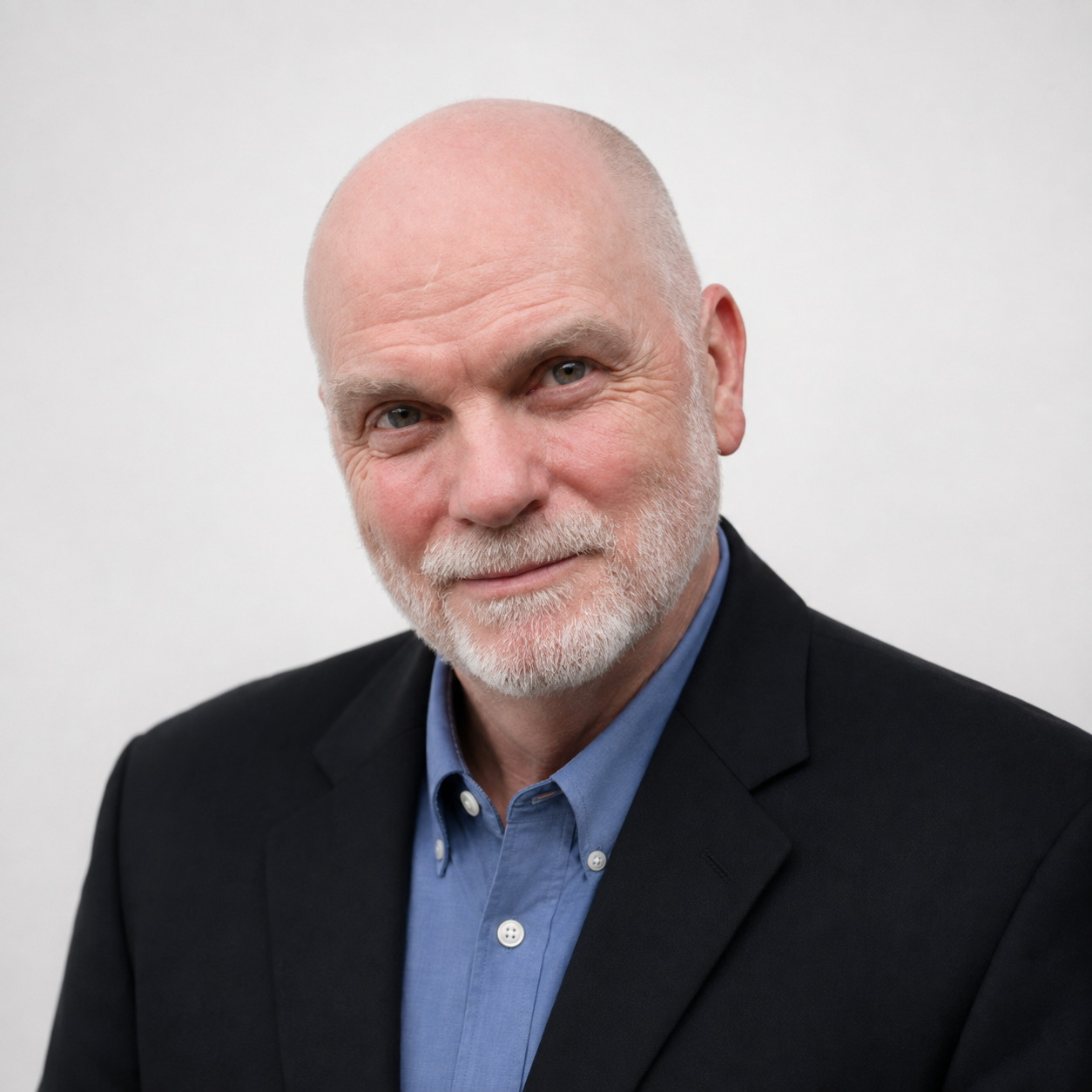
By: Russell Knight, PhD, President, Artificial Intelligence Institute

An AI and emerging-technology panel at the Prestel & Partner Family Office Forum, Harvard Club, New York. Photo: Prestel & Partner / event photographer, used with permission
Most of the AI safety conversation is about the system. Is it reliable? Is it controllable? Is it aligned with human objectives? Those are the right engineering and governance questions. They are not the whole system.
The human operator is part of the safety architecture.
At the Prestel & Partner Family Office Forum in New York, I joined a panel that Richard Awni moderated. We moved quickly between AI’s promise, the pace of change and the risks of misuse. The question I kept returning to is the one engineers ask of any component: under what conditions can it be trusted, and how would we know?
Applied to the human in the loop, that question has an uncomfortable answer. A fluent, persuasive output is easy to accept before anyone has decided what evidence would justify accepting it. The failure mode is well documented in aviation and decision science: automation bias, the tendency to defer to an automated system’s output. Generative AI is more fluent than any earlier automation, and that raises the stakes.
What the evidence says, and does not say
A 2025 Microsoft Research and Carnegie Mellon survey of 319 knowledge workers found that greater confidence in generative AI was associated with less self-reported critical-thinking effort. The authors also observed that AI-assisted work can shift critical thinking toward verification, integration and stewardship. That is an association in self-reported data, not proof of cause. The 2026 International AI
Safety Report notes that heavy reliance on AI can create risks to human autonomy and that evidence on longer-term cognitive effects is still developing. The responsible conclusion is neither alarm nor complacency. It is design: build human-AI interaction so the person keeps the roles of reasoning, checking and deciding.
What we are doing
At the Artificial Intelligence Institute, we have built a behavioral method around five actions: think, frame, question, verify and command. The design goal is repeatable, age-appropriate practice that builds calibrated trust: knowing when to rely on a system and when not to. Over two years in school settings we have collected field observations and program feedback. They are useful implementation evidence. They are not clinical proof, and they do not show that a short program permanently changes the brain.
We say so plainly, because calibrated claims are part of the discipline we teach.
The principle extends well beyond school. A manager can require traceable sources before relying on a forecast. A clinician can distinguish an AI-assisted draft from a verified decision. A student can learn to ask what is missing before copying an answer. Different tasks, one requirement: a person who stays actively engaged.
Richard’s candid framing made that conversation possible. I am grateful to him, and to Tobias Prestel and his team, for gathering people ready to engage with the consequences. Deployment decisions are being made today, often faster than the practices needed to use AI well.
AI safety must keep advancing in laboratories, in model evaluations and in public policy. Human readiness deserves a comparable place in the conversation.
Russell Knight, PhD, has spent 26 years in advanced technology at NASA’s Jet Propulsion Laboratory. That is his professional background and is not a NASA endorsement. The Artificial Intelligence Institute is independent of NASA.


Comments